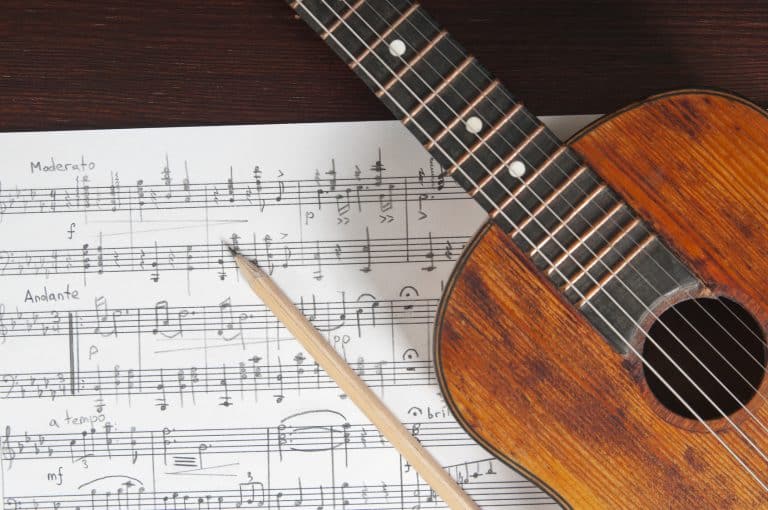
 Sheet Music Mobile is a site for those who wants to access popular sheet music easily,
letting them download the sheet music for free for trial purposes.
It's completely free to download and try the listed sheet music, but you have to delete the files after 24 hours of trial.
Don't forget, if you like the piece of music you have just learned playing,
treat the artist with respect, and go buy the original sheet music.
Sheet Music Mobile is a site for those who wants to access popular sheet music easily,
letting them download the sheet music for free for trial purposes.
It's completely free to download and try the listed sheet music, but you have to delete the files after 24 hours of trial.
Don't forget, if you like the piece of music you have just learned playing,
treat the artist with respect, and go buy the original sheet music.
Piano Sheet Music
 "... you never knew what was going to happen in concert. It was a really exciting prospect to go onstage, and you can hear that in the live recordings ... wherever we were and whatever year it was, we always went onstage determined to do our best ..." Jimmy Page - Led Zeppelin
Bach
Johann Sebastian Bach (31 March 1685 – 28 July 1750) was a German composer and organist whose sacred and secular works for choir, orchestra, and solo instruments drew together the strands of the Baroque period and brought it to its ultimate maturity. Although he introduced no new forms, he enriched the prevailing German style with a robust contrapuntal technique, an unrivalled control of harmonic and motivic organisation in composition for diverse musical forces, and the adaptation of rhythms and textures from abroad, particularly Italy and France.
Revered for their intellectual depth and technical and artistic beauty, Bach's works include the Brandenburg concertos; the Goldberg Variations; the English Suites, French Suites, Partitas, and Well-Tempered Clavier; the Mass in B Minor; the St. Matthew Passion; the St. John Passion; The Musical Offering; The Art of Fugue; the Sonatas and Partitas for violin solo; the Cello Suites; more than 200 surviving cantatas; and a similar number of organ works, including the celebrated Toccata and Fugue in D Minor.
While Bach's fame as an organist was great during his lifetime, he was not particularly well-known as a composer. His adherence to Baroque forms and contrapuntal style was considered "old-fashioned" by his contemporaries, especially late in his career when the musical fashion tended towards Rococo and later Classical styles. A revival of interest and performances of his music began early in the 19th century, and he is now widely considered to be one of the greatest composers in the Western tradition.
Revered for their intellectual depth and technical and artistic beauty, Bach's works include the Brandenburg concertos; the Goldberg Variations; the English Suites, French Suites, Partitas, and Well-Tempered Clavier; the Mass in B Minor; the St. Matthew Passion; the St. John Passion; The Musical Offering; The Art of Fugue; the Sonatas and Partitas for violin solo; the Cello Suites; more than 200 surviving cantatas; and a similar number of organ works, including the celebrated Toccata and Fugue in D Minor.
While Bach's fame as an organist was great during his lifetime, he was not particularly well-known as a composer. His adherence to Baroque forms and contrapuntal style was considered "old-fashioned" by his contemporaries, especially late in his career when the musical fashion tended towards Rococo and later Classical styles. A revival of interest and performances of his music began early in the 19th century, and he is now widely considered to be one of the greatest composers in the Western tradition.
Traditional
Green Day
Green Day is an American rock trio formed in 1987. The band has consisted of Billie Joe Armstrong (vocals, guitar), Mike Dirnt (bass guitar, vocals), and Tré Cool (drums, percussion) for the majority of its existence.
Green Day was originally part of the punk rock scene at 924 Gilman Street in Berkeley, California. Its early releases for independent record label Lookout! Records earned them a grassroots fanbase, some of whom felt alienated when the band signed to a major label.
The band has sold over 65 million records worldwide, They also have three Grammy Awards, Best Alternative Album for Dookie, Best Rock Album for American Idiot, and Record of the Year for "Boulevard of Broken Dreams".
Green Day was originally part of the punk rock scene at 924 Gilman Street in Berkeley, California. Its early releases for independent record label Lookout! Records earned them a grassroots fanbase, some of whom felt alienated when the band signed to a major label.
The band has sold over 65 million records worldwide, They also have three Grammy Awards, Best Alternative Album for Dookie, Best Rock Album for American Idiot, and Record of the Year for "Boulevard of Broken Dreams".
Regina Spektor
Regina Spektor (born February 18, 1980) is a Soviet-born Jewish-American singer-songwriter and pianist. Her music is associated with the anti-folk scene centered on New York City's East Village.
Spektor has said that she has created 700 songs, but that she rarely writes any of them down. She has also stated that she never aspired to write songs herself, but songs seem to just flow to her. Spektor possesses a broad vocal range and uses the full extent of it. She also explores a variety of different and somewhat unorthodox vocal techniques, such as verses composed entirely of buzzing noises made with the lips and beatbox-style flourishes in the middle of ballads, and also makes use of such unusual musical techniques as using a drum stick to tap rhythms on the body of the piano or chair.
Her lyrics are equally eclectic, often taking the form of abstract narratives or first-person character studies, similar to short stories or vignettes put to song. Spektor usually sings in English, though she sometimes includes a few words or verses of Latin, Russian, French, and other languages in her songs.
Spektor has said that she has created 700 songs, but that she rarely writes any of them down. She has also stated that she never aspired to write songs herself, but songs seem to just flow to her. Spektor possesses a broad vocal range and uses the full extent of it. She also explores a variety of different and somewhat unorthodox vocal techniques, such as verses composed entirely of buzzing noises made with the lips and beatbox-style flourishes in the middle of ballads, and also makes use of such unusual musical techniques as using a drum stick to tap rhythms on the body of the piano or chair.
Her lyrics are equally eclectic, often taking the form of abstract narratives or first-person character studies, similar to short stories or vignettes put to song. Spektor usually sings in English, though she sometimes includes a few words or verses of Latin, Russian, French, and other languages in her songs.
Dido
Dido Florian Cloud de Bounevialle O'Malley Armstrong (born 25 December 1971), is an English BRIT Award-winning and Grammy Award-nominated singer and songwriter.
Dido's mother, Claire (born Collins), is a French poet and her father, William O'Malley Armstrong (9 November 1938 – 22 December 2006) was an Irish publisher and former managing director of Sidgwick & Jackson.
Informally named after the mythical Carthaginian queen, Dido was educated at Thornhill Primary, City of London Girls' and Westminster School. Because she was born on Christmas Day, in childhood she celebrated, rather in the manner of the British monarch, an "official" birthday on 25 June.
After she stole a recorder from school at age five, her parents enrolled her at the Guildhall School of Music in London, England. By the time she reached her teens Dido had learned to play the piano, recorder and the violin. After her teens and whilst working as a literary agent, Dido studied law at Birkbeck, University of London, however, she never completed this course, deciding instead to take up music full-time. After learning the guitar, she showcased her skills to audiences during her 2004 Life for Rent tour.
Dido's mother, Claire (born Collins), is a French poet and her father, William O'Malley Armstrong (9 November 1938 – 22 December 2006) was an Irish publisher and former managing director of Sidgwick & Jackson.
Informally named after the mythical Carthaginian queen, Dido was educated at Thornhill Primary, City of London Girls' and Westminster School. Because she was born on Christmas Day, in childhood she celebrated, rather in the manner of the British monarch, an "official" birthday on 25 June.
After she stole a recorder from school at age five, her parents enrolled her at the Guildhall School of Music in London, England. By the time she reached her teens Dido had learned to play the piano, recorder and the violin. After her teens and whilst working as a literary agent, Dido studied law at Birkbeck, University of London, however, she never completed this course, deciding instead to take up music full-time. After learning the guitar, she showcased her skills to audiences during her 2004 Life for Rent tour.
Harry Warren
Harry Warren (born Salvatore Antonio Guaragna, December 24, 1893 – September 22, 1981) was an American composer and lyricist. Warren was the first major American songwriter to write primarily for film. He was nominated for the Academy Award for Best Original Song eleven times and won three Oscars for composing "Lullaby of Broadway", "You'll Never Know" and "On the Atchison, Topeka and the Santa Fe". He wrote the music for the first blockbuster film musical, 42nd Street, choreographed by Busby Berkeley, with whom he would collaborate on many musical films.
Brother Bear
Brother Bear is a 2003 Academy Award nominated traditionally-animated feature produced by Walt Disney Feature Animation and released by Walt Disney Pictures on November 1, 2003, the forty-third animated feature in the Disney animated features canon. In the film, an Inuit boy pursues a bear in revenge for a battle that he provoked in which his oldest brother is killed. He tracks down the bear and kills it, but the Spirits, angered by this needless death, change the boy into a bear himself as punishment. Originally titled Bears, it was the third and final Disney animated feature produced primarily by the Feature Animation studio at Disney-MGM Studios in Orlando, Florida; the studio was shut down in March 2004, not long after the release of this film in favor of computer animated features. A direct-to-video sequel, Brother Bear 2, followed in 2006.
Franz Schubert
Franz Peter Schubert (German pronunciation: ; January 31, 1797 – November 19, 1828) was an Austrian composer. He wrote some 600 Lieder, nine symphonies (including the famous "Unfinished Symphony"), liturgical music, operas, some incidental music, and a large body of chamber and solo piano music. He is particularly noted for his original melodic and harmonic writing.
Schubert was born into a musical family, and received formal musical training through much of his childhood. While Schubert had a close circle of friends and associates who admired his work (amongst them the prominent singer Johann Michael Vogl), wide appreciation of his music during his lifetime was limited at best. He was never able to secure adequate permanent employment, and for most of his career he relied on the support of friends and family. He made some money from published works, and occasionally gave private musical instruction. In the last year of his life he began to receive wider acclaim. He died at the age of 31 of "typhoid fever", a diagnosis which was vague at the time; several scholars suspect the real illness was tertiary syphilis.
Interest in Schubert's work increased dramatically in the decades following his death. Composers like Franz Liszt, Robert Schumann and Felix Mendelssohn discovered, collected, and championed his works in the 19th century, as did musicologist Sir George Grove. Franz Schubert is now widely considered to be one of the greatest composers in the Western tradition.
Schubert was born into a musical family, and received formal musical training through much of his childhood. While Schubert had a close circle of friends and associates who admired his work (amongst them the prominent singer Johann Michael Vogl), wide appreciation of his music during his lifetime was limited at best. He was never able to secure adequate permanent employment, and for most of his career he relied on the support of friends and family. He made some money from published works, and occasionally gave private musical instruction. In the last year of his life he began to receive wider acclaim. He died at the age of 31 of "typhoid fever", a diagnosis which was vague at the time; several scholars suspect the real illness was tertiary syphilis.
Interest in Schubert's work increased dramatically in the decades following his death. Composers like Franz Liszt, Robert Schumann and Felix Mendelssohn discovered, collected, and championed his works in the 19th century, as did musicologist Sir George Grove. Franz Schubert is now widely considered to be one of the greatest composers in the Western tradition.
Patsy Cline
Patsy Cline (September 8, 1932–March 5, 1963), born Virginia Patterson Hensley, was an American country music singer who enjoyed pop music crossover success during the era of the Nashville sound in the early 1960s. Since her death at age 30 in a 1963 private airplane crash at the height of her career, she has been considered one of the most influential, successful and acclaimed female vocalists of the 20th century.
Cline was best known for her rich tone and emotionally expressive bold contralto voice, which, along with her role as a mover and shaker in the country music industry, has been cited as an inspiration by many vocalists of various music genres. Her life and career have been the subject of numerous books, movies, documentaries, articles and stage plays.
Her hits included "Walkin' After Midnight", "I Fall to Pieces", "She's Got You", "Crazy" and "Sweet Dreams". Posthumously, millions of her albums have been sold over the past 46 years and she has been given numerous awards, which have given her an iconic status with some fans similar to that of legends Johnny Cash and Elvis Presley. Ten years after her death, she became the first female solo artist inducted to the Country Music Hall of Fame.
In 2002, Cline was voted by artists and members of the country music industry as number one on CMT's television special, The 40 Greatest Women of Country Music, and in 1999 she was voted number 11 on VH1's special The 100 Greatest Women in Rock and Roll by members and artists of the rock industry. According to her 1973 Country Music Hall of Fame plaque, "Her heritage of timeless recordings is testimony to her artistic capacity."
Cline was best known for her rich tone and emotionally expressive bold contralto voice, which, along with her role as a mover and shaker in the country music industry, has been cited as an inspiration by many vocalists of various music genres. Her life and career have been the subject of numerous books, movies, documentaries, articles and stage plays.
Her hits included "Walkin' After Midnight", "I Fall to Pieces", "She's Got You", "Crazy" and "Sweet Dreams". Posthumously, millions of her albums have been sold over the past 46 years and she has been given numerous awards, which have given her an iconic status with some fans similar to that of legends Johnny Cash and Elvis Presley. Ten years after her death, she became the first female solo artist inducted to the Country Music Hall of Fame.
In 2002, Cline was voted by artists and members of the country music industry as number one on CMT's television special, The 40 Greatest Women of Country Music, and in 1999 she was voted number 11 on VH1's special The 100 Greatest Women in Rock and Roll by members and artists of the rock industry. According to her 1973 Country Music Hall of Fame plaque, "Her heritage of timeless recordings is testimony to her artistic capacity."
Gavin DeGraw
Gavin DeGraw (born February 4, 1977) is an American singer-songwriter and musician.
Originally, DeGraw started in Manhattan clubs alongside local pianists Andrew West and Lenny Revell, drawing several of his home town fans. He made his big break when "I Don't Want to Be" was chosen as the theme song for the teen drama One Tree Hill. The song has also been performed on American Idol, Australian Idol and Idol (Norway and Sweden) by various contestants during different seasons. Two of DeGraw's other songs, "Follow Through" and "Chariot," have also achieved popularity and radio play. His song "We Belong Together" was also featured in the 2006 film Tristan and Isolde. In 2004, DeGraw released an acoustic version of his album Chariot called Chariot Stripped. DeGraw and his band recorded the album live in the studio, in only one take on the vocals, seeking an intimate effect.
Originally, DeGraw started in Manhattan clubs alongside local pianists Andrew West and Lenny Revell, drawing several of his home town fans. He made his big break when "I Don't Want to Be" was chosen as the theme song for the teen drama One Tree Hill. The song has also been performed on American Idol, Australian Idol and Idol (Norway and Sweden) by various contestants during different seasons. Two of DeGraw's other songs, "Follow Through" and "Chariot," have also achieved popularity and radio play. His song "We Belong Together" was also featured in the 2006 film Tristan and Isolde. In 2004, DeGraw released an acoustic version of his album Chariot called Chariot Stripped. DeGraw and his band recorded the album live in the studio, in only one take on the vocals, seeking an intimate effect.
Tchaikovsky
Pyotr Il'yich Tchaikovsky (May 7 1840 â November 6 1893) was a Russian composer of the Romantic era. While not part of the nationalistic music group known as "The Five", Tchaikovsky wrote music which, in the opinion of Harold Schonberg, was distinctly Russian: plangent, introspective, with modally-inflected melody and harmony.
Aesthetically, Tchaikovsky remained open to all aspects of Saint Petersburg musical life. He was impressed by Serov and Balakirev as well as the classical values upheld by the conservatory. Both the progressive and conservative camps in Russian music at the time attempted to win him over. Tchaikovsky charted his compositional course between these two factions, retaining his individuality as a composer as well as his Russian identity. In this he was influenced by the ideals of his teacher Nikolai Rubinstein and Nikolai's brother Anton.
Tchaikovsky's musical cosmopolitanism led him to be favored by many Russian music-lovers over the "Russian" harmonies and styles of Mussorgsky, Borodin and Rimsky-Korsakov.
Nonetheless he frequently adapted Russian traditional melodies and dance forms in his music, which enhanced his success in his home country. The success in St. Petersburg at the premiere of his Third Orchestral Suite may have been due in large part to his concluding the work with a polonaise. He also used a polonaise for the final movement of his Third Symphony.
Aesthetically, Tchaikovsky remained open to all aspects of Saint Petersburg musical life. He was impressed by Serov and Balakirev as well as the classical values upheld by the conservatory. Both the progressive and conservative camps in Russian music at the time attempted to win him over. Tchaikovsky charted his compositional course between these two factions, retaining his individuality as a composer as well as his Russian identity. In this he was influenced by the ideals of his teacher Nikolai Rubinstein and Nikolai's brother Anton.
Tchaikovsky's musical cosmopolitanism led him to be favored by many Russian music-lovers over the "Russian" harmonies and styles of Mussorgsky, Borodin and Rimsky-Korsakov.
Nonetheless he frequently adapted Russian traditional melodies and dance forms in his music, which enhanced his success in his home country. The success in St. Petersburg at the premiere of his Third Orchestral Suite may have been due in large part to his concluding the work with a polonaise. He also used a polonaise for the final movement of his Third Symphony.
Handel
George Frideric Handel (Friday, 23 February 1685 - Saturday, 14 April 1759) was a German-born Baroque composer who is famous for his operas, oratorios and concerti grossi. Born as Georg Friedrich Handel in Halle, he spent most of his adult life in England, becoming a subject of the British crown on 22 January 1727. His most famous works are Messiah, an oratorio set to texts from the King James Bible; Water Music; and Music for the Royal Fireworks. Strongly influenced by the techniques of the great composers of the Italian Baroque and the English composer Henry Purcell, his music was known to many significant composers who came after him, including Haydn, Mozart, and Beethoven.
Handel's compositions include 42 operas; 29 oratorios; more than 120 cantatas, trios and duets; numerous arias; chamber music; a large number of ecumenical pieces; odes and serenatas; and sixteen organ concerti. His most famous work, the Messiah oratorio with its "Hallelujah" chorus, is among the most popular works in choral music and has become a centerpiece of the Christmas season. Also popular are the Opus 3 and 6 Concerti Grossi, as well as "The Cuckoo and the Nightingale", in which birds are heard calling during passages played in different keys representing the vocal ranges of two birds. Also notable are his sixteen keyboard suites, especially The Harmonious Blacksmith.
Handel introduced various previously uncommon musical instruments in his works: the viola d'amore and violetta marina (Orlando), the lute (Ode for St. Cecilia's Day), three trombones (Saul), clarinets or small high cornets (Tamerlano), theorbo, French horn (Water Music), lyrichord, double bassoon, viola da gamba, bell chimes, positive organ, and harp (Giulio Cesare, Alexander's Feast).
Handel's compositions include 42 operas; 29 oratorios; more than 120 cantatas, trios and duets; numerous arias; chamber music; a large number of ecumenical pieces; odes and serenatas; and sixteen organ concerti. His most famous work, the Messiah oratorio with its "Hallelujah" chorus, is among the most popular works in choral music and has become a centerpiece of the Christmas season. Also popular are the Opus 3 and 6 Concerti Grossi, as well as "The Cuckoo and the Nightingale", in which birds are heard calling during passages played in different keys representing the vocal ranges of two birds. Also notable are his sixteen keyboard suites, especially The Harmonious Blacksmith.
Handel introduced various previously uncommon musical instruments in his works: the viola d'amore and violetta marina (Orlando), the lute (Ode for St. Cecilia's Day), three trombones (Saul), clarinets or small high cornets (Tamerlano), theorbo, French horn (Water Music), lyrichord, double bassoon, viola da gamba, bell chimes, positive organ, and harp (Giulio Cesare, Alexander's Feast).
Chopin
Frédéric Chopin (1 March 1810 – 17 October 1849) was a Polish composer and virtuoso pianist of the Romantic period. He is widely regarded as the greatest Polish composer, and ranks as one of music's greatest tone poets.
He was born in the village of Żelazowa Wola, in the Duchy of Warsaw, to a Polish mother and French-expatriate father, and in his early life was regarded as a child-prodigy pianist. In November 1830, at the age of 20, Chopin went abroad; following the suppression of the Polish November Uprising of 1830–31, he became one of many expatriates of the Polish "Great Emigration."
In Paris, he made a comfortable living as a composer and piano teacher, while giving few public performances. A Polish patriot,
Chopin's extant compositions were written primarily for the piano as a solo instrument. Though technically demanding, Chopin's style emphasizes nuance and expressive depth rather than virtuosity. Chopin invented musical forms such as the ballade and was responsible for major innovations in forms such as the piano sonata, waltz, nocturne, étude, impromptu and prelude. His works are mainstays of Romanticism in 19th-century classical music.
He was born in the village of Żelazowa Wola, in the Duchy of Warsaw, to a Polish mother and French-expatriate father, and in his early life was regarded as a child-prodigy pianist. In November 1830, at the age of 20, Chopin went abroad; following the suppression of the Polish November Uprising of 1830–31, he became one of many expatriates of the Polish "Great Emigration."
In Paris, he made a comfortable living as a composer and piano teacher, while giving few public performances. A Polish patriot,
Chopin's extant compositions were written primarily for the piano as a solo instrument. Though technically demanding, Chopin's style emphasizes nuance and expressive depth rather than virtuosity. Chopin invented musical forms such as the ballade and was responsible for major innovations in forms such as the piano sonata, waltz, nocturne, étude, impromptu and prelude. His works are mainstays of Romanticism in 19th-century classical music.
Elton John
Sir Elton Hercules John CBE (born Reginald Kenneth Dwight on 25 March 1947) is an English pop/rock singer, composer and pianist.
In his four-decade career, John has been one of the dominant forces in rock and popular music, especially during the 1970s. He has sold over 200 million records, making him one of the most successful artists of all time. He has more than 50 Top 40 hits including seven consecutive No. 1 U.S. albums, 59 Top 40 singles, 16 Top 10, four No. 2 hits, and nine No. 1 hits. He has won five Grammy awards and one Academy Award. His success has had a profound impact on popular music and has contributed to the continued popularity of the piano in rock and roll. In 2004, Rolling Stone ranked him #49 on their list of the 100 greatest artists of all time.
Some of the characteristics of John's musical talent include an ability to quickly craft melodies for the lyrics of songwriting partner Bernie Taupin, his former rich tenor (now baritone) voice, his classical and gospel-influenced piano, the aggressive orchestral arrangements of Paul Buckmaster among others and the flamboyant fashions, outlandishly excessive eyeglasses, and on-stage showmanship, especially evident during the 1970s.
John was inducted into the Rock and Roll Hall of Fame in 1994. He has been heavily involved in the fight against AIDS since the late 1980s, and was knighted in 1998. He entered into a civil partnership with David Furnish on 21 December 2005 and continues to be a champion for LGBT social movements. On April 9, 2008, John held a benefit concert for Hillary Clinton's presidential campaign, raising $2.5 million.
In his four-decade career, John has been one of the dominant forces in rock and popular music, especially during the 1970s. He has sold over 200 million records, making him one of the most successful artists of all time. He has more than 50 Top 40 hits including seven consecutive No. 1 U.S. albums, 59 Top 40 singles, 16 Top 10, four No. 2 hits, and nine No. 1 hits. He has won five Grammy awards and one Academy Award. His success has had a profound impact on popular music and has contributed to the continued popularity of the piano in rock and roll. In 2004, Rolling Stone ranked him #49 on their list of the 100 greatest artists of all time.
Some of the characteristics of John's musical talent include an ability to quickly craft melodies for the lyrics of songwriting partner Bernie Taupin, his former rich tenor (now baritone) voice, his classical and gospel-influenced piano, the aggressive orchestral arrangements of Paul Buckmaster among others and the flamboyant fashions, outlandishly excessive eyeglasses, and on-stage showmanship, especially evident during the 1970s.
John was inducted into the Rock and Roll Hall of Fame in 1994. He has been heavily involved in the fight against AIDS since the late 1980s, and was knighted in 1998. He entered into a civil partnership with David Furnish on 21 December 2005 and continues to be a champion for LGBT social movements. On April 9, 2008, John held a benefit concert for Hillary Clinton's presidential campaign, raising $2.5 million.
Bruno Mars
Peter Gene Hernandez (born October 8, 1985), better known by his stage name Bruno Mars, is an American singer-songwriter and music producer. Raised in Honolulu, Hawaii by a family of musicians, Mars began making music at a young age. After performing in various musical venues in his hometown throughout his childhood, he decided to pursue a musical career. Mars began producing songs for other artists, joining production team The Smeezingtons.
He became recognized as a solo artist after lending his vocals and co-writing the hooks for the songs "Nothin' on You" by B.o.B, and "Billionaire" by Travie McCoy. He also co-wrote the hits "Right Round" by Flo Rida featuring Kesha, "Wavin' Flag" by K'naan, and "Fuck You!" by Cee Lo Green. In October 2010, he released his debut album, Doo-Wops & Hooligans. Anchored by the singles "Just the Way You Are" and "Grenade", the album peaked at number three on the Billboard 200. He has been nominated for seven Grammys at the 53rd Grammy Awards, which will be held on February 13, 2011.
He became recognized as a solo artist after lending his vocals and co-writing the hooks for the songs "Nothin' on You" by B.o.B, and "Billionaire" by Travie McCoy. He also co-wrote the hits "Right Round" by Flo Rida featuring Kesha, "Wavin' Flag" by K'naan, and "Fuck You!" by Cee Lo Green. In October 2010, he released his debut album, Doo-Wops & Hooligans. Anchored by the singles "Just the Way You Are" and "Grenade", the album peaked at number three on the Billboard 200. He has been nominated for seven Grammys at the 53rd Grammy Awards, which will be held on February 13, 2011.
Tom Waits
Thomas Alan Waits (born 7 December 1949) is an American singer-songwriter, composer, and actor. Waits has a distinctive voice, described by critic Daniel Durchholz as sounding "like it was soaked in a vat of bourbon, left hanging in the smokehouse for a few months, and then taken outside and run over with a car." With this trademark growl, his incorporation of pre-rock styles such as blues, jazz, and vaudeville, and experimental tendencies verging on industrial music, Waits has built up a distinctive musical persona. He has worked as a composer for movies and musical plays and as a supporting actor in films, including The Fisher King, Coffee & Cigarettes, Bram Stoker's Dracula, and Short Cuts. He was nominated for an Academy Award for his soundtrack work on One from the Heart.
Lyrically, Waits' songs contain atmospheric portrayals of bizarre, seedy characters and places, although he has also shown a penchant for more conventional ballads. He has a cult following and has influenced subsequent songwriters despite having little radio or music video support. His songs are best-known to the general public in the form of cover versions by more visible artistsâfor example, "Jersey Girl," performed by Bruce Springsteen; "Downtown Train" and "Tom Traubert's Blues" performed by Rod Stewart; and "Ol' '55," performed by the Eagles. Although Waits' albums have met with mixed commercial success in his native United States, they have occasionally achieved gold album sales status in other countries. He has been nominated for a number of major music awards and has won Grammy Awards for two albums, Bone Machine and Mule Variations.
Waits currently lives in Sonoma County, California with his wife and their three children.
Lyrically, Waits' songs contain atmospheric portrayals of bizarre, seedy characters and places, although he has also shown a penchant for more conventional ballads. He has a cult following and has influenced subsequent songwriters despite having little radio or music video support. His songs are best-known to the general public in the form of cover versions by more visible artistsâfor example, "Jersey Girl," performed by Bruce Springsteen; "Downtown Train" and "Tom Traubert's Blues" performed by Rod Stewart; and "Ol' '55," performed by the Eagles. Although Waits' albums have met with mixed commercial success in his native United States, they have occasionally achieved gold album sales status in other countries. He has been nominated for a number of major music awards and has won Grammy Awards for two albums, Bone Machine and Mule Variations.
Waits currently lives in Sonoma County, California with his wife and their three children.
Phil Collins
Philip David Charles Collins, LVO (born 30 January 1951 Chiswick, London) is an English singer-songwriter, drummer and actor best known as the lead singer and drummer of English progressive rock group Genesis and as a Grammy and Academy Award-winning solo artist. He has also appeared in several films.
Collins sang the lead vocals on eight American chart-toppers between 1984 and 1989; seven as a solo artist and one with Genesis. His singles, often dealing with lost love, ranged from the drum-heavy "In the Air Tonight", to the dance pop of "Sussudio", to the political statements of his most successful song, "Another Day In Paradise". His international popularity transformed Genesis from a progressive rock group to a regular on the pop charts and an early MTV mainstay. Collins' professional career began as a drummer, first with obscure rock group Flaming Youth and then more famously with Genesis. In Genesis, Collins originally supplied backing vocals for front man Peter Gabriel, singing lead on only two songs: "For Absent Friends" from 1971's Nursery Cryme album and "More Fool Me" from Selling England by the Pound, which was released in 1973. On Gabriel's departure in 1975, Collins became the group's lead singer. As the decade closed, Genesis's first international hit, "Follow You, Follow Me", demonstrated a drastic change from the band's early years. His concurrent solo career, heavily influenced by his personal life, brought both him and Genesis commercial success. According to Atlantic Records, Collins' total worldwide sales as a solo artist, as of 2002, were 150 million.
Collins sang the lead vocals on eight American chart-toppers between 1984 and 1989; seven as a solo artist and one with Genesis. His singles, often dealing with lost love, ranged from the drum-heavy "In the Air Tonight", to the dance pop of "Sussudio", to the political statements of his most successful song, "Another Day In Paradise". His international popularity transformed Genesis from a progressive rock group to a regular on the pop charts and an early MTV mainstay. Collins' professional career began as a drummer, first with obscure rock group Flaming Youth and then more famously with Genesis. In Genesis, Collins originally supplied backing vocals for front man Peter Gabriel, singing lead on only two songs: "For Absent Friends" from 1971's Nursery Cryme album and "More Fool Me" from Selling England by the Pound, which was released in 1973. On Gabriel's departure in 1975, Collins became the group's lead singer. As the decade closed, Genesis's first international hit, "Follow You, Follow Me", demonstrated a drastic change from the band's early years. His concurrent solo career, heavily influenced by his personal life, brought both him and Genesis commercial success. According to Atlantic Records, Collins' total worldwide sales as a solo artist, as of 2002, were 150 million.
Emerson, Lake & Palmer
Emerson, Lake & Palmer (ELP) were an English progressive rock supergroup formed in London in April 1970. The band consisted of Keith Emerson (keyboards), Greg Lake (vocals, bass, guitar and producer) and Carl Palmer (drums and percussion). With nine RIAA-certified gold record albums in the US, and an estimated 48 million records sold worldwide, they were one of the most popular and commercially successful progressive rock bands in the 1970s, with a musical sound including adaptations of classical music with jazz and symphonic rock elements, dominated by Emerson's flamboyant use of the Hammond organ, Moog synthesizer, and piano (although Lake wrote several acoustic songs for the group).
Spring Awakening
Spring Awakening is a Tony Award-winning rock musical with music by Duncan Sheik and book and lyrics by Steven Sater. The musical is based on the controversial 1891 German play of the same title by Frank Wedekind. Set in late-nineteenth century Germany, it concerns teenagers who are discovering the inner and outer tumult of sexuality. The original play was banned in Germany due to its portrayal of masturbation, abortion, rape and suicide. In the musical, alt-rock is employed as part of the folk-infused rock score. During the musical, characters sometimes break the fourth wall to express their motivations and desires directly to the audience.
After a number of workshops, concerts and rewrites over a seven-year period, Spring Awakening premiered Off-Broadway at the Atlantic Theatre Company on May 19, 2006 and ran through August 17, 2006. The show then opened on Broadway at the Eugene O'Neill Theatre on December 10, 2006 and received favorable reviews. Spring Awakening received eleven 2007 Tony Award nominations, winning eight, including Tonys for best musical, direction, book, score and featured actor. The show also won four Drama Desk Awards, including Outstanding Musical. The production is directed by Michael Mayer and choreographed by Bill T. Jones.
After a number of workshops, concerts and rewrites over a seven-year period, Spring Awakening premiered Off-Broadway at the Atlantic Theatre Company on May 19, 2006 and ran through August 17, 2006. The show then opened on Broadway at the Eugene O'Neill Theatre on December 10, 2006 and received favorable reviews. Spring Awakening received eleven 2007 Tony Award nominations, winning eight, including Tonys for best musical, direction, book, score and featured actor. The show also won four Drama Desk Awards, including Outstanding Musical. The production is directed by Michael Mayer and choreographed by Bill T. Jones.
Alf Clausen
Alf Heiberg Clausen is an American film and television composer. He is best known for his work scoring many episodes of The Simpsons, for which he was the sole composer between 1990 and 2017.
Lara Fabian
Lara Fabian (born Lara Crokaert, January 9, 1970) is a Belgian-Italian international singer who holds Canadian citizenship. Multilingual, she sings in French, Italian and English. She has also sung in Spanish, Portuguese, Russian once in Hebrew on Israel's 60th Independence Day celebrations, and in German in 1988 for a version of "Croire" (ger.: "glauben" eng.: "believe"). She has sold over 18 million records worldwide.
Grzegorz Turnau
Grzegorz Turnau is a Polish composer, pianist, poet and singer.
He was born on 31 July 1967 in Kraków, Poland. At age seventeen he won First Prize (Grand Prix) at The Student Song Festival in Kraków in 1984. He went on to join the Piwnica pod Baranami Cabaret, composing such hits as "Znów wędrujemy", and released his first album, Naprawdę nie dzieje się nic ("Really, nothing is happening") in 1991. He has released eleven albums to date, including one (Cafe Sułtan) made up of his own versions of songs by Jeremi Przybora and Jerzy Wasowski, and most have enjoyed considerable chart success. His characteristic style consists of strong, clear lyrics and music composed in special keys and harmonies, using instruments such as piano (played by himself), saxophone, violin and various horns. Influenced by such artists as Marek Grechuta and Jan Kanty Pawluśkiewicz, his music style has been described as "soft jazz". He did participate in the Aleksander Glondys's "Ellington po krakowsku" ("Ellington Kraków way"), a concert based upon idea of notable composers of Piwnica pod Baranami playing their interpretations of Duke's music. Other participants include Pawluśkiewicz, Zbigniew Raj and several other musicians.
He was born on 31 July 1967 in Kraków, Poland. At age seventeen he won First Prize (Grand Prix) at The Student Song Festival in Kraków in 1984. He went on to join the Piwnica pod Baranami Cabaret, composing such hits as "Znów wędrujemy", and released his first album, Naprawdę nie dzieje się nic ("Really, nothing is happening") in 1991. He has released eleven albums to date, including one (Cafe Sułtan) made up of his own versions of songs by Jeremi Przybora and Jerzy Wasowski, and most have enjoyed considerable chart success. His characteristic style consists of strong, clear lyrics and music composed in special keys and harmonies, using instruments such as piano (played by himself), saxophone, violin and various horns. Influenced by such artists as Marek Grechuta and Jan Kanty Pawluśkiewicz, his music style has been described as "soft jazz". He did participate in the Aleksander Glondys's "Ellington po krakowsku" ("Ellington Kraków way"), a concert based upon idea of notable composers of Piwnica pod Baranami playing their interpretations of Duke's music. Other participants include Pawluśkiewicz, Zbigniew Raj and several other musicians.
Guns N' Roses
Guns N 'Roses is an American rock band founded in 1985 in Los Angeles, California. Axl Rose, Slash, Izzy Stradlin, Duff McKagan, and Steven , Genres: Hard rock, Heavy metal, Blues rock, Glam rock They started their music life in Los Angeles, California, USA (1985) Albums: Appetite for Destruction, Use Your Illusion I
Big Bang
Big Bang (Korean: 빅뱅), commonly stylized as BIGBANG, is a Korean boyband made up of five Korean singers. Although their debut was somewhat successful, it was not until the release of "거짓말" ("Lies") that the group gained mainstream success.
Big Bang's music style can be classified for the most part as hip pop music (as seen with the songs "La, La, La" and "Goodbye Baby"), with a little vibe of R&B (as seen with the songs "We Belong Together" and "Forever With You"), dance ("Shake It") and mainstream ("This Love") music. Rock with "Oh My Friend". Finally, becoming the greatest hit songs of 2007, (as seen with the songs "Lies", "Last Farewell", and "Haru Haru (Day By Day)") electronica is seemingly becoming the new music trend in Korea. However, the members have branched out into different genres in their solo work, including singing ballads and mainstream pop music. Big Bang even once mentioned in an interview that if they want to, they might do trot someday. Daesung's first digital single, "Look at Me, GwiSun" ("날 봐, 귀순"), was a trot song, which had been somewhat controversial considering Big Bang's primary focus on hip-hop.
The members of Big Bang often contribute to writing lyrics for their own music as well as composing despite only debuting in 2006. The most notable from the group to compose and write is leader G-Dragon, as he has composed and written numerous songs for the group, including "Lies" and "Last Farewell." Aside from G-Dragon, the others members have contributed to writing lyrics as well. T.O.P has also written a song for their third mini album Stand up, called "Good Man". On a whole, Big Bang has received praises from critics, fans, and other singers alike for contributions to their own materials.
Big Bang's music style can be classified for the most part as hip pop music (as seen with the songs "La, La, La" and "Goodbye Baby"), with a little vibe of R&B (as seen with the songs "We Belong Together" and "Forever With You"), dance ("Shake It") and mainstream ("This Love") music. Rock with "Oh My Friend". Finally, becoming the greatest hit songs of 2007, (as seen with the songs "Lies", "Last Farewell", and "Haru Haru (Day By Day)") electronica is seemingly becoming the new music trend in Korea. However, the members have branched out into different genres in their solo work, including singing ballads and mainstream pop music. Big Bang even once mentioned in an interview that if they want to, they might do trot someday. Daesung's first digital single, "Look at Me, GwiSun" ("날 봐, 귀순"), was a trot song, which had been somewhat controversial considering Big Bang's primary focus on hip-hop.
The members of Big Bang often contribute to writing lyrics for their own music as well as composing despite only debuting in 2006. The most notable from the group to compose and write is leader G-Dragon, as he has composed and written numerous songs for the group, including "Lies" and "Last Farewell." Aside from G-Dragon, the others members have contributed to writing lyrics as well. T.O.P has also written a song for their third mini album Stand up, called "Good Man". On a whole, Big Bang has received praises from critics, fans, and other singers alike for contributions to their own materials.
J. S. Bach
Johann Sebastian Bach (21 March 1685, O.S.31 March 1685, N.S. – 28 July 1750, N.S.) was a German composer, organist, harpsichordist, violist, and violinist whose sacred and secular works for choir, orchestra, and solo instruments drew together the strands of the Baroque period and brought it to its ultimate maturity. Although he did not introduce new forms, he enriched the prevailing German style with a robust contrapuntal technique, an unrivalled control of harmonic and motivic organisation, and the adaptation of rhythms, forms and textures from abroad, particularly from Italy and France.
Revered for their intellectual depth, technical command and artistic beauty, Bach's works include the Brandenburg Concertos, the Goldberg Variations, the Partitas, The Well-Tempered Clavier, the Mass in B minor, the St Matthew Passion, the St John Passion, the Magnificat, A Musical Offering, The Art of Fugue, the English and French Suites, the Sonatas and Partitas for solo violin, the Cello Suites, more than 200 surviving cantatas, and a similar number of organ works, including the famous Toccata and Fugue in D minor and Passacaglia and Fugue in C minor, as well as the Great Eighteen Chorale Preludes and Organ Mass.
Bach's abilities as an organist were highly respected throughout Europe during his lifetime, although he was not widely recognised as a great composer until a revival of interest and performances of his music in the first half of the 19th century. He is now generally regarded as one of the main composers of the Baroque style, and as one of the greatest composers of all time.
Revered for their intellectual depth, technical command and artistic beauty, Bach's works include the Brandenburg Concertos, the Goldberg Variations, the Partitas, The Well-Tempered Clavier, the Mass in B minor, the St Matthew Passion, the St John Passion, the Magnificat, A Musical Offering, The Art of Fugue, the English and French Suites, the Sonatas and Partitas for solo violin, the Cello Suites, more than 200 surviving cantatas, and a similar number of organ works, including the famous Toccata and Fugue in D minor and Passacaglia and Fugue in C minor, as well as the Great Eighteen Chorale Preludes and Organ Mass.
Bach's abilities as an organist were highly respected throughout Europe during his lifetime, although he was not widely recognised as a great composer until a revival of interest and performances of his music in the first half of the 19th century. He is now generally regarded as one of the main composers of the Baroque style, and as one of the greatest composers of all time.
Sara Bareilles
Sara Beth Bareilles (born December 7, 1979) is an American singer-songwriter and pianist. She achieved mainstream success in 2007 with the hit single "Love Song", which brought her into the number one spot on the Billboard Pop 100 chart.
After graduating from college in 2002, Bareilles performed at local bars and clubs (such as the Hotel Cafe and Genghis Cohen in Los Angeles), building a following, before performing in larger venues. She issued two demos of mostly live tracks in 2003: The First One in April and The Summer Sessions in October. In 2004, she appeared as a singer in a bar in the indie film Girl Play, performing the song "Undertow".
In January 2004, Bareilles released her first studio album, Careful Confessions. She signed a contract with Epic Records' A&R executive Pete Giberga on April 15, 2005. The remainder of the year and early 2006 were spent writing and reworking songs for her upcoming album. Her song, "Gravity," appears briefly in the 2006 independent film Loving Annabelle. She also toured as the opening act in 2006 for Marc Broussard's "Carencro" tour.
In mid-2004 she opened for Rocco DeLuca and the Burden during their inaugural headline tour, supported Guster on their first UK tour and co-headlined a tour with Jon McLaughlin. In 2007, Bareilles toured as the opening act for Aqualung and Mika, and later that year opened for several shows on both Maroon 5 and Paolo Nutini's U.S. tours. She also opened for James Blunt on his U.S. Tour in association with VH1 You Oughta Know.
After graduating from college in 2002, Bareilles performed at local bars and clubs (such as the Hotel Cafe and Genghis Cohen in Los Angeles), building a following, before performing in larger venues. She issued two demos of mostly live tracks in 2003: The First One in April and The Summer Sessions in October. In 2004, she appeared as a singer in a bar in the indie film Girl Play, performing the song "Undertow".
In January 2004, Bareilles released her first studio album, Careful Confessions. She signed a contract with Epic Records' A&R executive Pete Giberga on April 15, 2005. The remainder of the year and early 2006 were spent writing and reworking songs for her upcoming album. Her song, "Gravity," appears briefly in the 2006 independent film Loving Annabelle. She also toured as the opening act in 2006 for Marc Broussard's "Carencro" tour.
In mid-2004 she opened for Rocco DeLuca and the Burden during their inaugural headline tour, supported Guster on their first UK tour and co-headlined a tour with Jon McLaughlin. In 2007, Bareilles toured as the opening act for Aqualung and Mika, and later that year opened for several shows on both Maroon 5 and Paolo Nutini's U.S. tours. She also opened for James Blunt on his U.S. Tour in association with VH1 You Oughta Know.
Jean Baptiste Faure
Jean-Baptiste Faure (French: ) (15 January 1830 – 9 November 1914) was a celebrated French operatic baritone and an art collector of great significance. He also composed a number of classical songs.Faure was born in Moulins. A choirboy in his youth, he entered the Paris Conservatory in 1851 and made his operatic debut the following year at the Opéra-Comique, as Pygmalion in Victor Massé's Galathée. He remained at the Opéra-Comique for over seven years, singing baritone roles such as Max in Adolphe Adam's Le chalet and Michel in Thomas's Le caïd. During this time he also created the Marquis d'Erigny in Auber's Manon Lescaut (1856) and Hoël in Meyerbeer's Le pardon de Ploërmel (1859; later known as Dinorah), among seven premieres at that house.
George Michael
Georgios Kyriacos Panayiotou (born June 25, 1963) best known as George Michael, is a two-time Grammy Award winning, English singer-songwriter, who has had a career as frontman of the duo Wham! as well as a soul-influenced, solo pop musician. He has sold over 100 million records worldwide, encompassing 12 British #1 singles, 7 British #1 albums, 10 US #1 singles, and 2 US #1 albums. His 1987 debut solo album, Faith became one of the best selling albums of all time, and also the first album to produce six top 5 singles in the United States and it has sold over 20 million copies worldwide. All four of his solo studio albums have all reached #1 on the U.K. charts and have gone on to become huge international successes. This success has made George Michael the most played artist on British radio over the past two decades.
K-On!
K-On! (けいおん! Keion!?) is a Japanese four-panel comic strip manga written and illustrated by Kakifly. The manga started serialization in Houbunsha's seinen manga magazine Manga Time Kirara since the May 2007 issue, and also started a bimonthly serialization in Houbunsha's magazine Manga Time Kirara Carat since the October 2008 issue. A thirteen-episode anime adaptation produced by Kyoto Animation aired in Japan between April and June 2009. An additional original video animation episode was released in January 2010. A second season, titled K-On!! (with two exclamation marks), began airing in Japan from April 7, 2010. The title of the series comes from the Japanese word for light music, keiongaku (軽音楽?), but in the Japanese context is similar to pop music.
Felix Mendelssohn
Jakob Ludwig Felix Mendelssohn Bartholdy, born, and generally known in English-speaking countries, as Felix Mendelssohn (February 3, 1809 – November 4, 1847) was a German composer, pianist, organist and conductor of the early Romantic period.
The grandson of the philosopher Moses Mendelssohn, he was born into a notable Jewish family, although he himself was brought up initially without religion, and later as a Lutheran. He was recognized early as a musical prodigy, but his parents were cautious and did not seek to capitalise on his abilities. Indeed his father was disinclined to allow Felix to follow a musical career until it became clear that he intended to seriously dedicate himself to it.
Early success in Germany was followed by travel throughout Europe; Mendelssohn was particularly well received in England as a composer, conductor and soloist, and his ten visits there, during which many of his major works were premiered, form an important part of his adult career. His essentially conservative musical tastes however set him apart from many of his more adventurous musical contemporaries such as Liszt, Wagner and Berlioz. The Conservatory he founded at Leipzig became a bastion of this anti-radical outlook.
Mendelssohn's work includes symphonies, concerti, oratorios, piano and chamber music. He also had an important role in the revival of interest in the music of Johann Sebastian Bach. After a long period of relative denigration due to changing musical tastes and antisemitism in the late 19th and early 20th centuries, his creative originality is now being recognized and re-evaluated. He is now among the most popular composers of the Romantic era.
The grandson of the philosopher Moses Mendelssohn, he was born into a notable Jewish family, although he himself was brought up initially without religion, and later as a Lutheran. He was recognized early as a musical prodigy, but his parents were cautious and did not seek to capitalise on his abilities. Indeed his father was disinclined to allow Felix to follow a musical career until it became clear that he intended to seriously dedicate himself to it.
Early success in Germany was followed by travel throughout Europe; Mendelssohn was particularly well received in England as a composer, conductor and soloist, and his ten visits there, during which many of his major works were premiered, form an important part of his adult career. His essentially conservative musical tastes however set him apart from many of his more adventurous musical contemporaries such as Liszt, Wagner and Berlioz. The Conservatory he founded at Leipzig became a bastion of this anti-radical outlook.
Mendelssohn's work includes symphonies, concerti, oratorios, piano and chamber music. He also had an important role in the revival of interest in the music of Johann Sebastian Bach. After a long period of relative denigration due to changing musical tastes and antisemitism in the late 19th and early 20th centuries, his creative originality is now being recognized and re-evaluated. He is now among the most popular composers of the Romantic era.
Sammy Cahn
Sammy Cahn (June 18, 1913 – January 15, 1993) was an American lyricist, songwriter and musician. He is best known for his romantic lyrics to films and Broadway songs, as well as stand-alone songs premiered by recording companies in the Greater Los Angeles Area. He and his collaborators began a series of hit recordings with Frank Sinatra during the singer's tenure at Capitol Records, but also enjoyed hits with Dean Martin, Doris Day and many others. He played the piano and violin. He won the Academy Award four times for his songs, including the popular song "Three Coins in the Fountain".
Ben Folds
Benjamin Scott Folds (born September 12, 1966 in Winston-Salem, North Carolina) is an American singer and pianist. He originally gained fame as a member of the rock band, Ben Folds Five. Ben has released three solo albums: Fear of Pop: Volume 1, Rockin' the Suburbs, and Ben Folds Live. Fear of Pop was released while Ben Folds Five were still together; Suburbs and Live were released afterwards. Since Fear of Pop is highly experimental and Live is a collection of live solo recordings of mostly songs originally recorded with Ben Folds Five, Rockin' the Suburbs is Ben's first proper solo release. In late 2003 two solo EPs: Speed Graphic and Sunny 16 were released, with a third entitled Super D released in mid-2004. He currently resides in Adelaide, Australia with his wife, Frally Hynes, and two children, Louis and Grace. He tours Japan and the United States, as well as other parts of the world periodically.
Folds also produced and arranged the most recent William Shatner album, Has Been (2004); he previously worked with Shatner on the songs 'In Love' and 'Still in Love' for Fear of Pop.
Folds described his former band, Ben Folds Five, as 'punk rock for sissies,' and his oddball lyrics often contain nuances of depression, melancholy and self-conflict. While he was with the band Ben Folds Five and since his departure, Folds also provided a number of songs for films soundtrack. Some of these include 'Lonely Christmas Eve' for the film How the Grinch Stole Christmas! (2000) and a rendition of the Beatles' 'Golden Slumbers' for the film I Am Sam (2001).
On a planned tour of Australia, Folds teamed up with fellow namesakes Ben Kweller and Ben Lee to travel the country together as The Bens, at the suggestion of a fan on Ben Kweller's official website. The trio also went on to record an four-track EP together, entitled The Bens.
In summer of 2004, Folds co-headlined an American tour with fellow rockers Rufus Wainwright and Guster. His fourth solo album entitled 'Songs for Silverman' is slated for release on April 26, 2005.
Folds also produced and arranged the most recent William Shatner album, Has Been (2004); he previously worked with Shatner on the songs 'In Love' and 'Still in Love' for Fear of Pop.
Folds described his former band, Ben Folds Five, as 'punk rock for sissies,' and his oddball lyrics often contain nuances of depression, melancholy and self-conflict. While he was with the band Ben Folds Five and since his departure, Folds also provided a number of songs for films soundtrack. Some of these include 'Lonely Christmas Eve' for the film How the Grinch Stole Christmas! (2000) and a rendition of the Beatles' 'Golden Slumbers' for the film I Am Sam (2001).
On a planned tour of Australia, Folds teamed up with fellow namesakes Ben Kweller and Ben Lee to travel the country together as The Bens, at the suggestion of a fan on Ben Kweller's official website. The trio also went on to record an four-track EP together, entitled The Bens.
In summer of 2004, Folds co-headlined an American tour with fellow rockers Rufus Wainwright and Guster. His fourth solo album entitled 'Songs for Silverman' is slated for release on April 26, 2005.
Harold Faltermeyer
Harold Faltermeyer (born Harold Faltermeier; October 5, 1952) is a German musician, keyboardist, composer and record producer.
He is recognized as one of the composers/producers who best captured the zeitgeist of 1980s synth-pop in film scores. He is best known for the "Axel F" electronic theme for Beverly Hills Cop and the Top Gun Anthem from the soundtrack for Top Gun—both often imitated, highly influential instrumental hits that to some extent practically redefined action film scoring in the '80s.
As a session musician, arranger and producer, Faltermeyer has worked with several international pop stars including Donna Summer, Amanda Lear, Patti LaBelle, Barbra Streisand, Glenn Frey, Blondie, Laura Branigan, Billy Idol, Jennifer Rush, Alexis, Cheap Trick, Sparks, Bob Seger, Chris Thompson, Bonnie Tyler and the Pet Shop Boys.
He has won two Grammy Awards: the first in 1986 for Best Album of original score written for a motion picture or television special, as a co-writer of the Beverly Hills Cop soundtrack; and the second in 1987 for Best Pop Instrumental Performance with guitarist Steve Stevens for Top Gun Anthem from the soundtrack.
He is recognized as one of the composers/producers who best captured the zeitgeist of 1980s synth-pop in film scores. He is best known for the "Axel F" electronic theme for Beverly Hills Cop and the Top Gun Anthem from the soundtrack for Top Gun—both often imitated, highly influential instrumental hits that to some extent practically redefined action film scoring in the '80s.
As a session musician, arranger and producer, Faltermeyer has worked with several international pop stars including Donna Summer, Amanda Lear, Patti LaBelle, Barbra Streisand, Glenn Frey, Blondie, Laura Branigan, Billy Idol, Jennifer Rush, Alexis, Cheap Trick, Sparks, Bob Seger, Chris Thompson, Bonnie Tyler and the Pet Shop Boys.
He has won two Grammy Awards: the first in 1986 for Best Album of original score written for a motion picture or television special, as a co-writer of the Beverly Hills Cop soundtrack; and the second in 1987 for Best Pop Instrumental Performance with guitarist Steve Stevens for Top Gun Anthem from the soundtrack.
Marc-André Hamelin
Marc-André Hamelin, OC, CQ (born September 5, 1961), is a Canadian virtuoso pianist and composer. Hamelin is recognized worldwide for the originality and technical proficiency of his performances of the classic repertoire. He has received 11 Grammy Award nominations.
Michael Jackson
Michael Joseph Jackson (August 29, 1958 – June 25, 2009) was an American singer, dancer and entertainer. Referred to as the King of Pop, he is the most commercially successful entertainer of all time, and one of the most influential. His contributions to music, dance and fashion, along with a much publicized personal life, made him a global figure in popular culture for over four decades.
Alongside his brothers, he made his debut as lead singer and youngest member of The Jackson 5 in 1964. He began his solo career in 1971. His 1982 album Thriller remains the best-selling album ever, with Off the Wall (1979), Bad (1987), Dangerous (1991) and HIStory (1995) also among the world's best-selling albums. He is widely credited with having transformed the music video from a promotional tool into an art form with videos for his songs such as "Billie Jean", "Beat It" and "Thriller" making him the first African American artist to amass a strong crossover following on MTV. With stage performances and music videos, Jackson popularized a number of physically complicated dance techniques, such as the robot and the moonwalk. His distinctive musical sound, vocal style, and choreography, is credited with stretching across and breaking down cultural, racial, economic, generational, and global barriers that has inspired countless pop, rock, R&B and hip hop artists.
One of the few artists to have been inducted into the Rock and Roll Hall of Fame twice, his other achievements feature multiple Guinness World Records—including the "Most Successful Entertainer of All Time"—15 Grammy Awards (including the "Living Legend Award" and the "Lifetime Achievement Award"), 26 American Music Awards (24 only as a solo artist, including one for "Artist of the Century")—more than any artist—, 17 number one singles in the US (including the four as a member of the Jackson 5), and estimated sales of up to 750 million records worldwide making him the world's best selling artist in history.
Jackson's personal relationships and life generated controversy for years. His changing appearance was noticed from the late 1970s onwards, with changes to his nose and to the color of his skin drawing media publicity. He was accused of child sexual abuse in 1993 though no charges were brought, and in 2005 he was tried and acquitted when the jury ruled him not guilty on all charges. He married twice, first in 1994 and again in 1996, and brought up three children, one born to a surrogate mother. While preparing for the This Is It concert tour in 2009, Jackson died at the age of 50 after suffering from cardiac arrest. He reportedly had been administered drugs such as propofol and lorazepam, and his death was ruled a homicide by the Los Angeles County coroner. His death triggered an outpouring of grief from around the world with his globally live broadcast memorial service attracting an audience of up to one billion people; as well as a huge surge in his album sales, resulting in him becoming the best selling artist of 2009 with sales in excess of 8.2 million in the United States where he became the first artist ever to have 4 of the top 20 best-selling albums in a single year, and 29 million albums globally, where he had an unprecedented 8 of the top 25 best-selling albums worldwide.
Alongside his brothers, he made his debut as lead singer and youngest member of The Jackson 5 in 1964. He began his solo career in 1971. His 1982 album Thriller remains the best-selling album ever, with Off the Wall (1979), Bad (1987), Dangerous (1991) and HIStory (1995) also among the world's best-selling albums. He is widely credited with having transformed the music video from a promotional tool into an art form with videos for his songs such as "Billie Jean", "Beat It" and "Thriller" making him the first African American artist to amass a strong crossover following on MTV. With stage performances and music videos, Jackson popularized a number of physically complicated dance techniques, such as the robot and the moonwalk. His distinctive musical sound, vocal style, and choreography, is credited with stretching across and breaking down cultural, racial, economic, generational, and global barriers that has inspired countless pop, rock, R&B and hip hop artists.
One of the few artists to have been inducted into the Rock and Roll Hall of Fame twice, his other achievements feature multiple Guinness World Records—including the "Most Successful Entertainer of All Time"—15 Grammy Awards (including the "Living Legend Award" and the "Lifetime Achievement Award"), 26 American Music Awards (24 only as a solo artist, including one for "Artist of the Century")—more than any artist—, 17 number one singles in the US (including the four as a member of the Jackson 5), and estimated sales of up to 750 million records worldwide making him the world's best selling artist in history.
Jackson's personal relationships and life generated controversy for years. His changing appearance was noticed from the late 1970s onwards, with changes to his nose and to the color of his skin drawing media publicity. He was accused of child sexual abuse in 1993 though no charges were brought, and in 2005 he was tried and acquitted when the jury ruled him not guilty on all charges. He married twice, first in 1994 and again in 1996, and brought up three children, one born to a surrogate mother. While preparing for the This Is It concert tour in 2009, Jackson died at the age of 50 after suffering from cardiac arrest. He reportedly had been administered drugs such as propofol and lorazepam, and his death was ruled a homicide by the Los Angeles County coroner. His death triggered an outpouring of grief from around the world with his globally live broadcast memorial service attracting an audience of up to one billion people; as well as a huge surge in his album sales, resulting in him becoming the best selling artist of 2009 with sales in excess of 8.2 million in the United States where he became the first artist ever to have 4 of the top 20 best-selling albums in a single year, and 29 million albums globally, where he had an unprecedented 8 of the top 25 best-selling albums worldwide.
Henry Mancini
Henry Mancini (April 16, 1924 – June 14, 1994) was an American composer, conductor and arranger. He is remembered particularly for being a composer of film and television scores. Mancini also won a record number of Grammy awards, including a Grammy Lifetime Achievement Award in 1995. His best-known works are the jazz-idiom theme to The Pink Panther film series ("The Pink Panther Theme"), the Peter Gunn Theme (from the so-named series) and "Moon River".
Mancini was nominated for an unprecedented 72 Grammys, winning 20. Additionally he was nominated for 18 Academy Awards, winning four. He also won a Golden Globe Award and was nominated for two Emmys.
Mancini won a total of four Oscars for his music in the course of his career. He was first nominated for an Academy Award in 1955 for his original score of The Glenn Miller Story, on which he collaborated with Joseph Gershenson. He lost out to Adolph Deutsch and Saul Chaplin's Seven Brides for Seven Brothers. In 1962 he was nominated in the Best Music, Original Song category for "Bachelor in Paradise" from the film of the same name, in collaboration with lyricist Mack David. That song did not win. However, Mancini did receive two Oscars that year: one in the same category, for the song "Moon River" (shared with lyricist Johnny Mercer), and one for "Best Music, Scoring of a Dramatic or Comedy Picture" for Breakfast at Tiffany's. The following year, he and Mercer took another Best Song award for "Days of Wine and Roses," another eponymous theme song. His next eleven nominations went for naught, but he finally garnered one last statuette working with lyricist Leslie Bricusse on the score for Victor/Victoria, which won the "Best Music, Original Song Score and Its Adaptation or Best Adaptation Score" award for 1983. All three of the films for which he won were directed by Blake Edwards. His score for Victor/Victoria was adapted for the 1995 Broadway musical of the same name.
Mancini was nominated for an unprecedented 72 Grammys, winning 20. Additionally he was nominated for 18 Academy Awards, winning four. He also won a Golden Globe Award and was nominated for two Emmys.
Mancini won a total of four Oscars for his music in the course of his career. He was first nominated for an Academy Award in 1955 for his original score of The Glenn Miller Story, on which he collaborated with Joseph Gershenson. He lost out to Adolph Deutsch and Saul Chaplin's Seven Brides for Seven Brothers. In 1962 he was nominated in the Best Music, Original Song category for "Bachelor in Paradise" from the film of the same name, in collaboration with lyricist Mack David. That song did not win. However, Mancini did receive two Oscars that year: one in the same category, for the song "Moon River" (shared with lyricist Johnny Mercer), and one for "Best Music, Scoring of a Dramatic or Comedy Picture" for Breakfast at Tiffany's. The following year, he and Mercer took another Best Song award for "Days of Wine and Roses," another eponymous theme song. His next eleven nominations went for naught, but he finally garnered one last statuette working with lyricist Leslie Bricusse on the score for Victor/Victoria, which won the "Best Music, Original Song Score and Its Adaptation or Best Adaptation Score" award for 1983. All three of the films for which he won were directed by Blake Edwards. His score for Victor/Victoria was adapted for the 1995 Broadway musical of the same name.
Johann Jacob Froberger
Johann Jakob Froberger was a German Baroque composer, keyboard virtuoso, and organist. Among the most famous composers of the era, he was influential in developing the musical form of the suite of dances in his keyboard works. His harpsichord pieces are highly idiomatic and programmatic.
Schubert
Franz Peter Schubert (January 31, 1797 – November 19, 1828) was an Austrian composer. He wrote some 600 lieder, nine symphonies (including the famous "Unfinished Symphony"), liturgical music, operas, and a large body of chamber and solo piano music. He is particularly noted for his original melodic and harmonic writing.
While Schubert had a close circle of friends and associates who admired his work (including his teacher Antonio Salieri, and the prominent singer Johann Michael Vogl), wider appreciation of his music during his lifetime was limited at best. He was never able to secure adequate permanent employment, and for most of his career he relied on the support of friends and family. Interest in Schubert's work increased dramatically in the decades following his death and he is now widely considered to be one of the greatest composers in the Western tradition.
While he was clearly influenced by the Classical sonata forms of Beethoven and Mozart (his early works, among them notably the 5th Symphony, are particularly Mozartean), his formal structures and his developments tend to give the impression more of melodic development than of harmonic drama. This combination of Classical form and long-breathed Romantic melody sometimes lends them a discursive style: his 9th Symphony was described by Robert Schumann as running to "heavenly lengths". His harmonic innovations include movements in which the first section ends in the key of the subdominant rather than the dominant (as in the last movement of the Trout Quintet). Schubert's practice here was a forerunner of the common Romantic technique of relaxing, rather than raising, tension in the middle of a movement, with final resolution postponed to the very end.
While Schubert had a close circle of friends and associates who admired his work (including his teacher Antonio Salieri, and the prominent singer Johann Michael Vogl), wider appreciation of his music during his lifetime was limited at best. He was never able to secure adequate permanent employment, and for most of his career he relied on the support of friends and family. Interest in Schubert's work increased dramatically in the decades following his death and he is now widely considered to be one of the greatest composers in the Western tradition.
While he was clearly influenced by the Classical sonata forms of Beethoven and Mozart (his early works, among them notably the 5th Symphony, are particularly Mozartean), his formal structures and his developments tend to give the impression more of melodic development than of harmonic drama. This combination of Classical form and long-breathed Romantic melody sometimes lends them a discursive style: his 9th Symphony was described by Robert Schumann as running to "heavenly lengths". His harmonic innovations include movements in which the first section ends in the key of the subdominant rather than the dominant (as in the last movement of the Trout Quintet). Schubert's practice here was a forerunner of the common Romantic technique of relaxing, rather than raising, tension in the middle of a movement, with final resolution postponed to the very end.
Claude-Michel Schonberg
Claude-Michel Schönberg is a French record producer, actor, singer, songwriter, and musical theatre composer, best known for his collaborations with lyricist Alain Boublil. Major works include La Révolution Française, Les Misérables, Miss Saigon, Martin Guerre, The Pirate Queen, and Marguerite.
Nicole C. Mullen
Aileen Nicole Coleman-Mullen, known professionally as Nicole C. Mullen, (born January 3, 1967) is an American singer, songwriter, and choreographer. She was born and raised in Cincinnati, Ohio.While studying at Christ for the Nations Institute in Dallas, she joined a vocal group called Living Praise and began pursuing a music career. Under the name Nicole, she recorded her first solo album, Don’t Let Me Go, in 1991 with the independent label Frontline Records. It was produced by Tim Miner. She continued her singing-songwriting-choreography career in the 1990s, singing backup for Michael W. Smith and the Newsboys, writing for Jaci Velasquez, and working as a dancer and choreographer with Amy Grant. She also provided backup vocals for the music video at the end of the VeggieTales program, Larry-Boy and the Fib from Outer Space! and the opening of the VeggieTales presentation, Larry-Boy and the Rumor Weed. She was signed to Word Records in 1998 by VP of A&R Brent Bourgeois. Her fourth album, Talk About It, was certified gold for sales in excess of 500,000 copies on April 15, 2008.
Vivaldi
Antonio Lucio Vivaldi (March 4, 1678 â July 28, 1741), nicknamed il Prete Rosso ("The Red Priest"), was a Venetian priest and Baroque music composer, as well as a famous virtuoso violinist; he was born and raised in the Republic of Venice. The Four Seasons, a series of four violin concerti, is his best-known work and a highly popular Baroque piece.
Many of Vivaldi's compositions reflect a flamboyant, almost playful, exuberance. Most of Vivaldi's repertoire was rediscovered only in the first half of the 20th century in Turin and Genoa and was published in the second half. Vivaldi's music is innovative, breaking a consolidated tradition in schemes; he gave brightness to the formal and the rhythmic structure of the concerto, repeatedly looking for harmonic contrasts and innovative melodies and themes. Moreover, Vivaldi was able to compose nonacademic music, particularly meant to be appreciated by the wide public and not only by an intellectual minority. The joyful appearance of his music reveals in this regard a transmissible joy of composing; these are among the causes of the vast popularity of his music. This popularity soon made him famous in other countries such as France which was, at the time, very independent concerning its musical taste.
Vivaldi is considered one of the composers who brought Baroque music (with its typical contrast among heavy sonorities) to evolve into a classical style. Johann Sebastian Bach was deeply influenced by Vivaldi's concertos and arias (recalled in his Johannes Passion, Matthäuspassion, and cantatas). Bach transcribed a number of Vivaldi's concerti for solo keyboard, along with a number for orchestra, including the famous Concerto for Four Violins and Violoncello, Strings and Continuo (RV 580).
Many of Vivaldi's compositions reflect a flamboyant, almost playful, exuberance. Most of Vivaldi's repertoire was rediscovered only in the first half of the 20th century in Turin and Genoa and was published in the second half. Vivaldi's music is innovative, breaking a consolidated tradition in schemes; he gave brightness to the formal and the rhythmic structure of the concerto, repeatedly looking for harmonic contrasts and innovative melodies and themes. Moreover, Vivaldi was able to compose nonacademic music, particularly meant to be appreciated by the wide public and not only by an intellectual minority. The joyful appearance of his music reveals in this regard a transmissible joy of composing; these are among the causes of the vast popularity of his music. This popularity soon made him famous in other countries such as France which was, at the time, very independent concerning its musical taste.
Vivaldi is considered one of the composers who brought Baroque music (with its typical contrast among heavy sonorities) to evolve into a classical style. Johann Sebastian Bach was deeply influenced by Vivaldi's concertos and arias (recalled in his Johannes Passion, Matthäuspassion, and cantatas). Bach transcribed a number of Vivaldi's concerti for solo keyboard, along with a number for orchestra, including the famous Concerto for Four Violins and Violoncello, Strings and Continuo (RV 580).
Hiromi
Hiromi Uehara, known professionally as Hiromi, is a jazz composer and pianist born in Hamamatsu, Japan. She is known for her virtuosic technique, energetic live performances and blend of musical genres such as stride, post-bop, progressive rock, classical and fusion in her compositions.
Ruggero Leoncavallo
Ruggero Leoncavallo is an opera and operetta composer of the Italian modern era verismo.
Brahms
Johannes Brahms (May 7, 1833 â April 3, 1897) was a German composer of the Romantic period. He was born in Hamburg and in his later years he settled in Vienna, Austria.
Brahms maintained a Classical sense of form and order in his works â in contrast to the opulence of the music of many of his contemporaries. Thus many admirers (though not necessarily Brahms himself) saw him as the champion of traditional forms and "pure music," as opposed to the New German embrace of program music.
Brahms venerated Beethoven: in the composer's home, a marble bust of Beethoven looked down on the spot where he composed, and some passages in his works are reminiscent of Beethoven's style. The main theme of the finale of Brahms's First Symphony is reminiscent of the main theme of the finale of Beethoven's Ninth, and when this resemblance was pointed out to Brahms he replied that any ass â jeder Esel â could see that.
Ein deutsches Requiem was partially inspired by his mother's death in 1865, but also incorporates material from a Symphony he started in 1854, but abandoned following Schumann's suicide attempt. He once wrote that the Requiem "belonged to Schumann". The first movement of this abandoned Symphony was re-worked as the first movement of the First Piano Concerto.
Brahms also loved the Classical composers Mozart and Haydn. He collected first editions and autographs of their works, and edited performing editions. He also studied the music of pre-classical composers, including Giovanni Gabrieli, Johann Adolph Hasse, Heinrich Schütz and especially Johann Sebastian Bach. His friends included leading musicologists, and with Friedrich Chrysander he edited an edition of the works of François Couperin. He looked to older music for inspiration in the arts of strict counterpoint; the themes of some of his works are modelled on Baroque sources, such as Bach's The Art of Fugue in the fugal finale of Cello Sonata No. 1, or the same composer's Cantata No. 150 in the passacaglia theme of the Fourth Symphony's finale.
Brahms maintained a Classical sense of form and order in his works â in contrast to the opulence of the music of many of his contemporaries. Thus many admirers (though not necessarily Brahms himself) saw him as the champion of traditional forms and "pure music," as opposed to the New German embrace of program music.
Brahms venerated Beethoven: in the composer's home, a marble bust of Beethoven looked down on the spot where he composed, and some passages in his works are reminiscent of Beethoven's style. The main theme of the finale of Brahms's First Symphony is reminiscent of the main theme of the finale of Beethoven's Ninth, and when this resemblance was pointed out to Brahms he replied that any ass â jeder Esel â could see that.
Ein deutsches Requiem was partially inspired by his mother's death in 1865, but also incorporates material from a Symphony he started in 1854, but abandoned following Schumann's suicide attempt. He once wrote that the Requiem "belonged to Schumann". The first movement of this abandoned Symphony was re-worked as the first movement of the First Piano Concerto.
Brahms also loved the Classical composers Mozart and Haydn. He collected first editions and autographs of their works, and edited performing editions. He also studied the music of pre-classical composers, including Giovanni Gabrieli, Johann Adolph Hasse, Heinrich Schütz and especially Johann Sebastian Bach. His friends included leading musicologists, and with Friedrich Chrysander he edited an edition of the works of François Couperin. He looked to older music for inspiration in the arts of strict counterpoint; the themes of some of his works are modelled on Baroque sources, such as Bach's The Art of Fugue in the fugal finale of Cello Sonata No. 1, or the same composer's Cantata No. 150 in the passacaglia theme of the Fourth Symphony's finale.
Vinicius de Moraes
Marcus Vinicius da Cruz e Mello Moraes, also known as Vinicius de Moraes and nicknamed O Poetinha, was a Brazilian poet, lyricist, essayist, and playwright. He served as a diplomat, composed bossa nova music, and recorded several albums.
Richard Clayderman
Richard Clayderman (born Philippe Pagès on December 28, 1953, Paris) is a French pianist who has released numerous albums including the original compositions by Paul de Senneville and Olivier Toussaint, and instrumental renditions of popular music, rearrangements of movie sound tracks, ethnic music, and easy-listening arrangements of most popular works of classical music.
In 1976 he was invited from Olivier Toussaint a French record producer and his partner Paul de Senneville to record a gentle piano ballad. Paul de Senneville had composed this ballad as a tribute to his new born daughter “Adeline”. The 23 year old Philippe Pagès was auditioned along with 20 other pianists. They liked his special and soft touch on the keyboards combined with his good looks and fine personality, and finally he got the job.
Philippe Pagès' name was changed to Richard Clayderman (he adopted his great-grandmother's last name to avoid mispronunciation of his real name outside France), and the single took off, selling an astonishing 22 million copies in 38 countries. It was called Ballade pour Adeline.
In 1976 he was invited from Olivier Toussaint a French record producer and his partner Paul de Senneville to record a gentle piano ballad. Paul de Senneville had composed this ballad as a tribute to his new born daughter “Adeline”. The 23 year old Philippe Pagès was auditioned along with 20 other pianists. They liked his special and soft touch on the keyboards combined with his good looks and fine personality, and finally he got the job.
Philippe Pagès' name was changed to Richard Clayderman (he adopted his great-grandmother's last name to avoid mispronunciation of his real name outside France), and the single took off, selling an astonishing 22 million copies in 38 countries. It was called Ballade pour Adeline.
Jule Styne
Jule Styne (/ˈdʒuːli staɪn/; December 31, 1905 – September 20, 1994) was a British-American song writer and composer known for a series of Broadway musicals, which include several famous and frequently revived shows.
Regine Velasquez
Regina Encarnacion Ansong Velasquez (/rɪˈdʒɪn vəˈlæskɛz/ REE-jeen VEH-las-KEZ) (born April 22, 1970) is a Filipino singer, actor, and record producer who came to prominence after winning the 1984 Ang Bagong Kampeon and the 1989 Asia Pacific Singing Contest. Velasquez signed with OctoArts International under the name Chona in 1986 and released the single "Love Me Again", which was commercially unsuccessful. After adopting the stage name Regine Velasquez, she signed a recording contract with VIVA Records in 1987 and released her eponymous debut album containing the singles "Kung Maibabalik Ko Lang" and "Urong Sulong".
Music theory
Music theory is the study of the practices and possibilities of music. The Oxford Companion to Music describes three interrelated uses of the term "music theory"
Bodo Wartke
The audience appreciates Bodo Wartke as a chansonnier and virtuoso pianist as well as a versatile actor and charming confériecier. The piano cabaret artist does not shy away from controversial topics in his wit and tone.
At the age of 19, Bodo Wartke performed his first full-length concert on November 16, 1996 and looks back on more than 20 years of artistic career.
At the age of 19, Bodo Wartke performed his first full-length concert on November 16, 1996 and looks back on more than 20 years of artistic career.
Yiruma
Yiruma (born February 15 1978, Seoul, Korea) is a South Korean piano music composer. He is married to Son Hye-im.
Yiruma is well-known throughout the world, and his albums are sold all over Asia, as well as the United States and Europe. His most famous pieces are "Kiss the Rain", and also "River Flows in You". These pieces are widely mistaken for being associated with the movie Twilight. Although he formerly held dual citizenship as a citizen of the United Kingdom and South Korea, in July 2006 he gave up his British citizenship and entered the Republic of Korea Navy to begin his military service, which is compulsory for all male South Koreans. He has lived in Osaka, Japan for 5 years to promote album sales before giving up his dual citizenship.
Yiruma is well-known throughout the world, and his albums are sold all over Asia, as well as the United States and Europe. His most famous pieces are "Kiss the Rain", and also "River Flows in You". These pieces are widely mistaken for being associated with the movie Twilight. Although he formerly held dual citizenship as a citizen of the United Kingdom and South Korea, in July 2006 he gave up his British citizenship and entered the Republic of Korea Navy to begin his military service, which is compulsory for all male South Koreans. He has lived in Osaka, Japan for 5 years to promote album sales before giving up his dual citizenship.
Anna Nalick
Anna Christine Nalick (born March 30, 1984, in Glendora, California), is an American singer-songwriter. Her debut album, Wreck of the Day, featuring her first radio hit, "Breathe (2 AM)," was released on April 19, 2005. Nalick's second album is due for release on September 23, 2008 and features her current radio hit, Shine.